
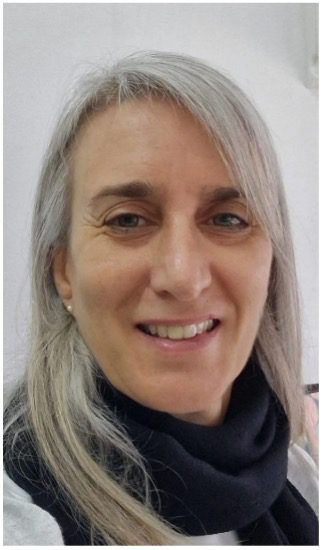
Dr Viegas is a biochemist with a PhD in Biological Sciences from the Universidad Nacional de La Plata (UNLP), Argentina. Mariana works as an Independent Researcher at the National Scientific and Technical Research Council (CONICET) and coordinates the Genomics and Molecular Diagnostics Area at the Public Health Laboratory of UNLP. Their research centers on the genomic surveillance of respiratory and emerging viruses, including RSV, HMPV, Influenza A, Dengue, Measles, and SARS-CoV-2.
During the COVID-19 pandemic, Dr Viegas’s coordinated the Argentine Inter-Institutional SARS-CoV-2 Genomics Consortium (Proyecto PAIS), a nationwide network of over 100 scientists that generated real-time viral genomic data to inform national public health decisions. Dr Viegas also co-coordinated the Global RSV Genotyping Consensus Consortium, which successfully established a unified phylogenetic classification system for RSV, now adopted internationally.
Dr Viegas’s expertise lies in phylogenetics, phylodynamics, and phylogeography, and collaborates closely with national health authorities and international agencies. Dr Viegas serves as a Colaborator to the WHO Global RSV Surveillance Program (since 2019) and is a member of the Pneumoviridae Study Group of the International Committee on Taxonomy of Viruses (ICTV, 2024–2026).
Dr Viegas has authored over 40 peer-reviewed scientific publications in international journals and received awards such as the Google Latin American Research Award (2020–2021). Dr Viegas has also been publicly recognized for my leadership during the pandemic.
In recent years, Dr Viegas has become increasingly interested in integrating genomic surveillance with epidemiological modeling and social science perspectives to improve outbreak preparedness. Participating in the 2023 VEME workshop (From Trees to Public Health Module) was a key step in adopting a more systemic and interdisciplinary approach to complex health challenges.
Dr Viegas’s goal is to continue contributing to evidence-based, socially informed public health strategies through research, collaboration, and science-to-policy translation.