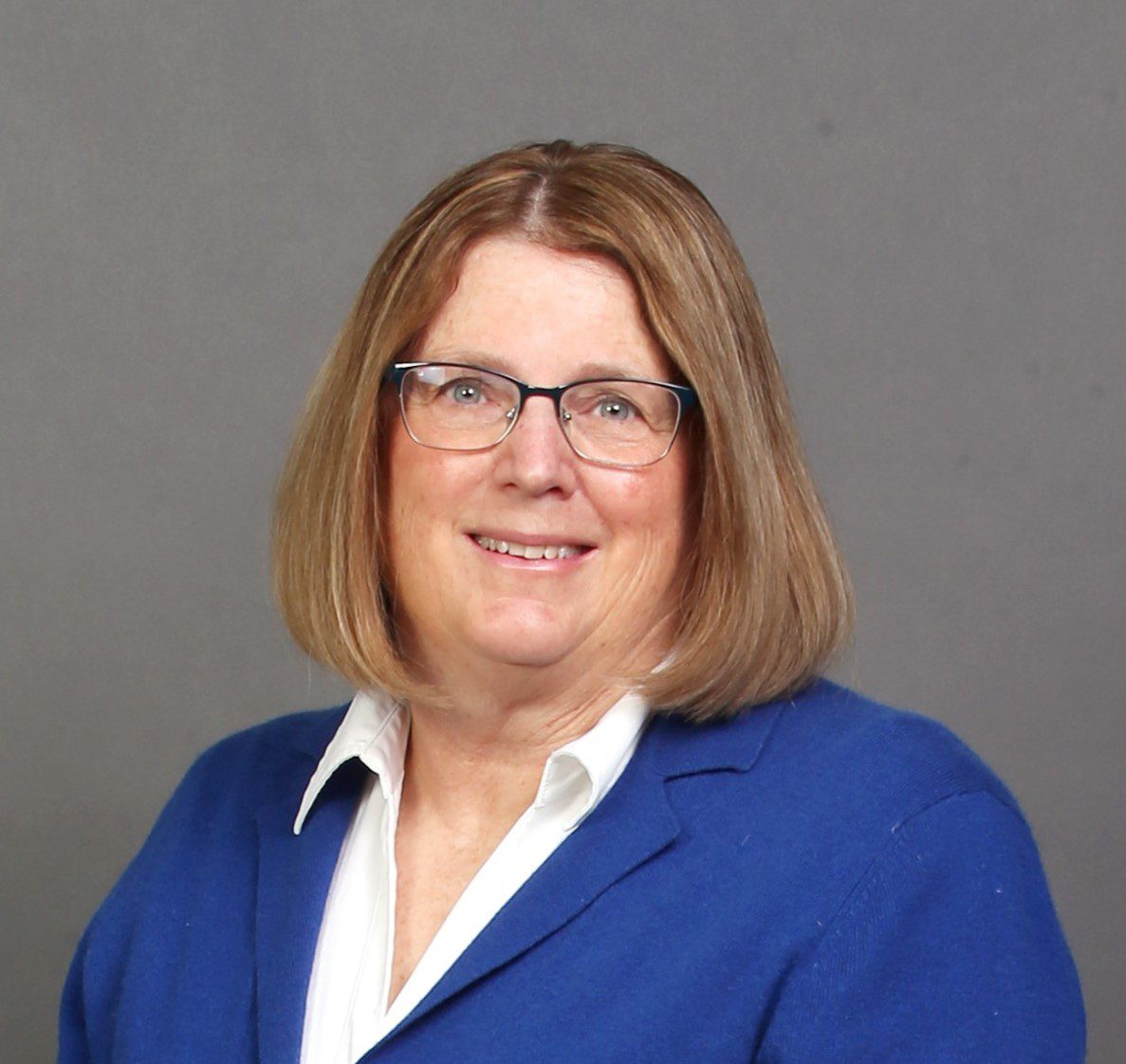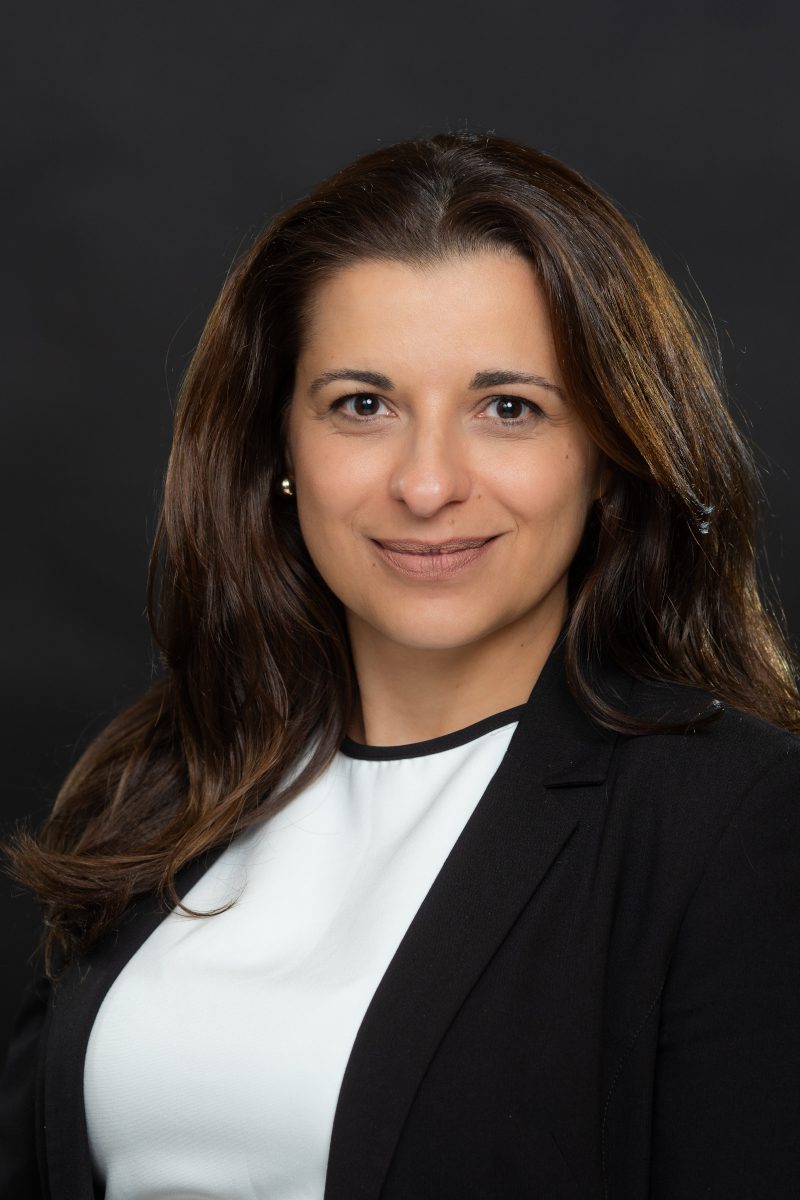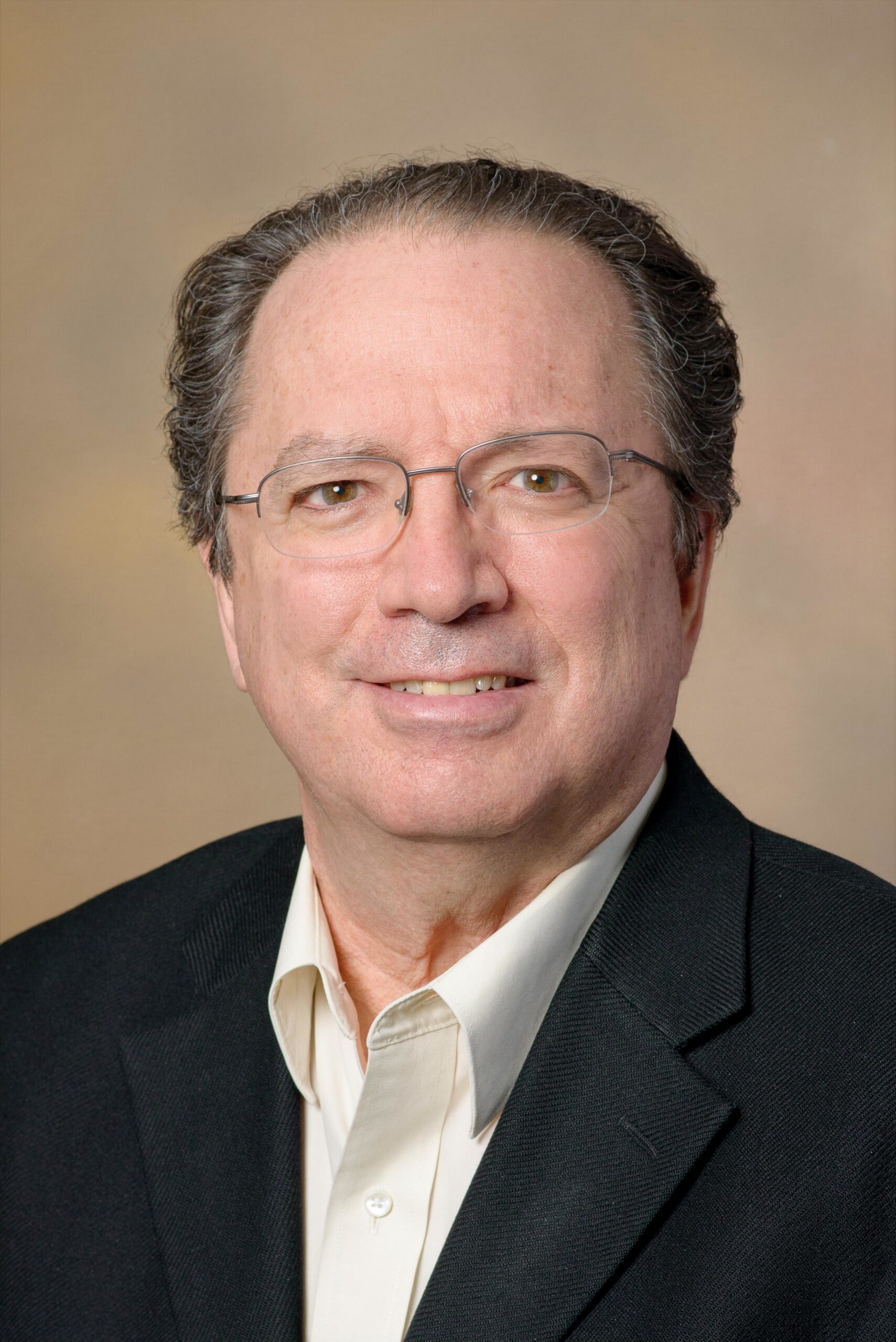

Keynote Speakers

Our Keynote Speakers and Panelists at RSV2027

open arrow

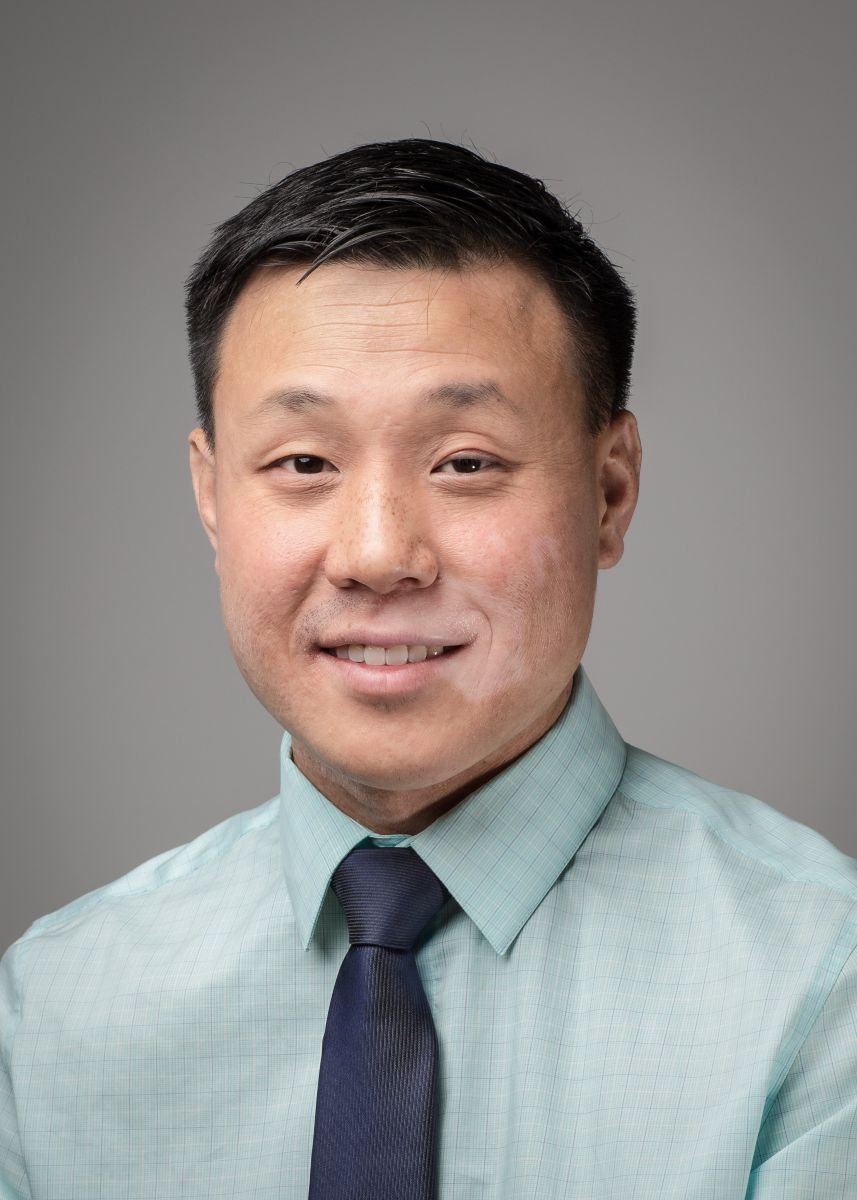
Jim Boonyaratanakornkit

Jim Boonyaratanakornkit

Jim is currently an Assistant Professor in the Vaccine and Infectious Disease Division VIDD at Fred Hutch and an Assistant Professor in the Department of Medicine at the University of Washington. He completed medical school at UCSF, graduate school at the University of Maryland and the NIH, internal medicine residency at Stanford, infectious disease fellowship at the University of Washington, and postdoctoral fellowship at the Fred Hutch. He is a virologist and an infectious diseases specialist with a focus on immunocompromised hosts. He has concentrated his research towards vaccine and drug design against respiratory viruses that afflict vulnerable patients.

open arrow

Louis Bont

Louis Bont

Louis Bont is a clinician-scientist specialized in pediatric infectious diseases and immunology. Since 2025, he serves as Dean of the Medical Faculty of Utrecht University and holds an adjunct professorship at Yale University. He has devoted his scientific career to combining clinical and basic research to understand the pathogenesis and burden of RSV with a mission to develop safe and effective RSV therapeutic interventions. Highlights of his scientific career include identifying Down Syndrome as a high risk group for severe RSV infection, leadership of the RSV GOLD mortality registry to understand life-threatening RSV funded by the Bill & Melinda Gates Foundation, and organizing the first RSV Vaccines for the World (RSVVW) Conference in Europe, Africa and Asia. Beyond research, Louis is the founding chairman of ReSViNET, a non-profit organization with an international RSV research consortium, learning hub and an international patient advisory board. As a global leader in RSV and an advocate for health equity, Louis has served as an advisor to the Europarliament and the World Health Organization on RSV surveillance and vaccine development. Finally, Louis has a passion for talent development and supported  a new generation of clinician-scientists and co-founded TULIPS (Training of Upcoming Leaders in Pediatric Science), a career-development network for clinician-scientists in child health.


open arrow

Angela Branche

Angela Branche

Dr. Angela Branche, MD is an Associate Professor of Medicine at the University of Rochester. Dr. Branche received her Bachelor of Arts degree in Biology at the University of Pennsylvania and Doctorate in Medicine at American University of the Caribbean. She completed residency in Internal Medicine at NYU Langone Hospital-Brooklyn in Brooklyn, NY and infectious disease fellowship at the University of Rochester. She currently has a clinical inpatient practice comprised of both general infectious diseases and HIV medicine patients. During her years at the University of Rochester her focus in research involved the use of viral molecular and immunological diagnostic assays to explore the pathogenesis and host response to acute viral respiratory illnesses in adults. She is currently Co-Principle Investigator for the UR Vaccine Treatment and Evaluation Unit (UR VTEU) one of ten NIH funded network sites in the US. Her current research activities explore clinical disease, pathogenesis, development of therapeutics and vaccine biology related to infection with viral and bacterial respiratory pathogens. Studies include assessment of asymptomatic carriage of Streptococcus pneumoniae and the impact of pneumococcal vaccination, surveillance of epidemic influenza infections and immunologic mechanisms of protection following natural infection versus vaccination, the development of pandemic influenza vaccines, population-based studies of RSV infection and the development of vaccine and anti-viral agents for RSV. She remains involved in the NIH and University of Rochester research response to the recent COVID19 pandemic conducting natural history, therapeutic and vaccine studies. She is a member of the Infectious Disease Society of America Public Policy and Advocacy Committee and the NIH IDCRC Emerging Infections Expert Working Group and the NIH Population Research in Infectious Diseases Study Section.  Dr. Branche has published several peer-reviewed articles, reviews and book chapters related to respiratory viral pathogens in adults.

open arrow

Janet Englund

Janet Englund

Dr. Englund’s research interests include the study of vaccines and viral respiratory diseases in children, pregnant women, and immunocompromised hosts. She studies respiratory viral vaccines and novel methods of antiviral therapy for respiratory viruses including influenza, RSV, and SARS-CoV-2. She is a member of the Seattle Flu Study, has worked closely with Helen Chu MD, MPH, Trevor Bedford PhD, and other Seattle investigators in performing community and home-based respiratory viral surveillance and genomic monitoring of multiple respiratory viruses since 2019, and is currently active in the CDC-sponsored CASCADIA community-based study evaluating COVID-19 vaccine effectiveness.  As a Clinical Associate at Fred Hutchinson Cancer Research Center, she is actively involved in studies of the prevention, treatment, and outcome of respiratory viral diseases in immunocompromised hosts. Dr. Englund’s research group at Seattle Children’s Hospital Research Institute is part of the New Vaccine Surveillance Network of the CDC, which assesses vaccine effectiveness of licensed vaccines in population-based studies. Her group has also been involved in research studies of maternal immunization with influenza, SARS-CoV-2, and RSV vaccines.
Dr. Englund has been a member of national and international organizations including the CDC-sponsored Advisory Committee on Immunization Practices (ACIP), the FDA Vaccines and Related Biological Products Advisory Committee (VRBAC), and vaccine safety groups at the World Health Organization. She is past president of the Society of Pediatric Infectious Diseases, past board member of the Infectious Diseases Society of America and the WHO Influenza working group, and currently active in the Influenza Working Group and SARS-CoV-2 Diagnostic Group of the Infectious Disease Society of America. 
 

open arrow

Daniela Ferreira

Daniela Ferreira

Professor Daniela Ferreira is a global leader in experimental medicine, mucosal immunology, and respiratory infection. Her research focuses on understanding how the human respiratory mucosa responds to pathogens and vaccines in real time, and on translating these insights into transformative interventions to prevent infectious disease.
Over the past 15 years, she has pioneered the use of controlled human infection models (CHIMs) to study respiratory pathogens, redefining how human immunity is investigated in vivo. She established the first human co-infection challenge models with pneumococcus, RSV and influenza, demonstrating how viral infections disrupt mucosal immune homeostasis and promote bacterial acquisition and transmission.
During the COVID-19 pandemic, Professor Ferreira contributed to the clinical development of the Oxford–AstraZeneca vaccine and led research defining the role of hybrid immunity in shaping lung immune responses after SARS-CoV-2 vaccination.
Professor Ferreira is Deputy Director of the Oxford Vaccine Group and co-leads the Co-AI programme, a major initiative in partnership with the Ellison Institute of Technology that integrates human challenge models with artificial intelligence to accelerate vaccine development. She previously led the development of the purpose-built Human Challenge Facility while Head of Clinical Sciences at the Liverpool School of Tropical Medicine. In 2024, she was appointed to the UK Joint Committee on Vaccination and Immunisation (JCVI), where she contributes to national vaccine policy.
With over 140 peer-reviewed publications in leading journals including Nature Immunology, Cell Host & Microbe, and The Lancet Microbe, and more than £160M in research funding, Professor Ferreira has made major contributions to vaccine science, clinical research infrastructure, and global health policy. Her work continues to shape the future of mucosal immunology and experimental medicine, driving new approaches to infection prevention and control.

open arrow

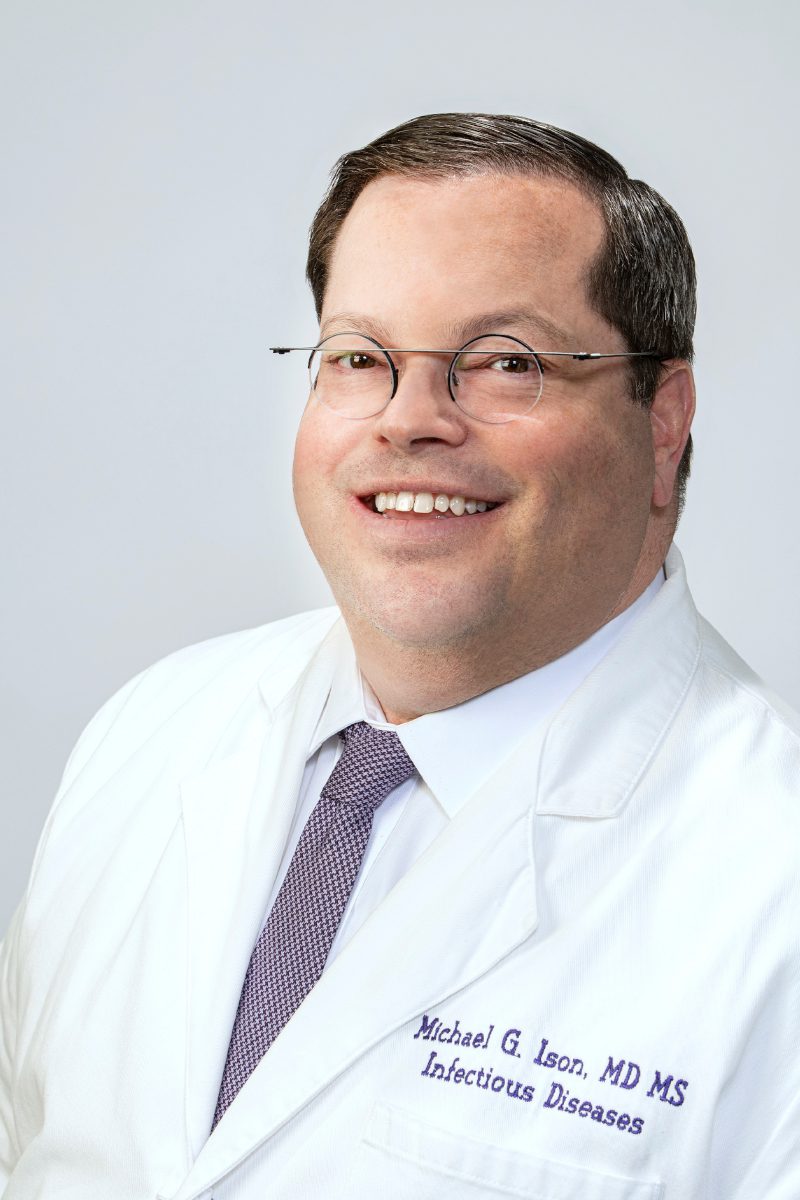
Michael Ison

Michael Ison

Dr. Michael Ison completed his medical school training at University of South Florida College of Medicine and the obtained training in Internal Medicine at Oregon Health Sciences University in Portland, Oregon followed by Infectious Diseases at the University of Virginia and Transplant Infectious Diseases Training at Massachusetts General Hospital/Harvard Medical School.  After spending 17 years as a Professor in the Divisions of Infectious Diseases and Organ Transplantation at Northwestern University Feinberg School of Medicine, he moved to become the Respiratory Disease Branch Chief within the Division of Microbiology and Infectious Diseases at NIAID/NIH.  He also currently serves as the Editor-in-Chief of Transplant Infectious Disease and Chair of the ISRV Antiviral Group.

open arrow

Fernando Martinez

Fernando Martinez

Dr. Martinez is a Regents Professor, Swift-McNear Professor of Pediatrics and Director of the Asthma and Airway Disease Center at the University of Arizona. His major research interests include the natural history of childhood asthma, and the role of genetic, physiological, immunological and environmental factors as determinants of the risk for asthma in early life. Dr. Martinez received his medical degrees from the University of Chile, Santiago and the University of Rome, Italy. He completed his residency in pediatrics at the University of Rome, specializing in pediatric pulmonology. He has been at the University of Arizona since 1987. Dr. Martinez is a member of the National Scientific Council on the Developing Child and of the Board of Scientific Counselors of the National Institute of Allergy and Infectious Diseases. He was also a member of the National Asthma Education and Prevention Program’s Expert Panel, which developed the last two versions of the NHLBI Guidelines for the Treatment of Asthma. Dr. Martinez has written more than 350 journal articles, book chapters and editorials, his Google Scholar h-index is 137 and has lectured in over 50 countries across the world.

open arrow

Asunción Mejías

Asunción Mejías

Asuncion Mejias is Professor of Pediatrics and Member at St Jude Children’s Research Hospital, in Memphis, TN, USA. For the past 25 years Dr. Mejias has been studying the pathogenesis of respiratory viral infections in infants and young children, with special emphasis on respiratory syncytial virus (RSV).  She has contributed with more than 275 publications including original articles, reviews, editorials and book chapters. She is also an active member of national and international professional organizations where she holds leadership positions. In addition, she serves as external reviewer for several medical journals as well as professional organizations including NIH or the CDC.

open arrow

Peter Openshaw

Peter Openshaw

Peter Openshaw is Professor of Experimental Medicine at Imperial College London, UK. A respiratory physician and mucosal immunologist, his research focuses on how the immune response both protects against viral infection but also causes disease.
He has published widely on vaccinology, the immunopathogenesis of pulmonary viral diseases and lung inflammation, especially in respiratory syncytial virus (RSV), influenza and COVID-19 infection. He works on human challenge in volunteers (Google Scholar and https://orcid.org/0000-0002-7220-2555).
He is a Board Member of the Science Media Centre and Director of the HIC-Vac consortium (https://www.hic-vac.org/).  He was the first clinical President of the British Society for Immunology (2013-18) and received prizes for his lifetime contribution to RSV research (Chanock Award, 2012), the European Federation of Immunological Societies Award (2014) and the Per Brandtzaeg Distinguished Scientific Achievement Award in mucosal immunology (2024).
He advised the UK government on pandemics (SAGE, 2009-12; Chair/Vice-Chair of NERVTAG, 2015-2022). He was made a Commander of the British Empire for services to Medicine and Immunology in the 2022 UK New Year’s Honours and received the 2024 Imperial College Medal for his work as a Consul, reforming the university’s Ethos, Values and Behaviours.

open arrow

Pedro A Piedra

Pedro A Piedra

Bio to follow

open arrow

Ultan Power

Ultan Power

Bio to follow

open arrow

Octavio Ramilo

Octavio Ramilo

Bio to follow

open arrow

Matthew Snape

Matthew Snape

Dr Matthew Snape is Vice President at Moderna, overseeing the RSV vaccine clinical development program. Before joining Moderna in 2022, he was Professor of Paediatrics and Vaccinology at the Oxford Vaccine Group, University of Oxford, combining work as a clinical General Paediatrician with leading clinical trials on vaccines for Ebola, meningococcus, pneumococcus, RSV, Influenza and COVID-19. He is a Fellow of the Academy of Medical Sciences and was awarded an MBE in 2024 for services to public health.

open arrow

Mariana Viegas

Mariana Viegas

Dr Viegas is a biochemist with a PhD in Biological Sciences from the Universidad Nacional de La Plata (UNLP), Argentina. Mariana works as an Independent Researcher at the National Scientific and Technical Research Council (CONICET) and coordinates the Genomics and Molecular Diagnostics Area at the Public Health Laboratory of UNLP. Their research centers on the genomic surveillance of respiratory and emerging viruses, including RSV, HMPV, Influenza A, Dengue, Measles, and SARS-CoV-2.
During the COVID-19 pandemic, Dr Viegas’s coordinated the Argentine Inter-Institutional SARS-CoV-2 Genomics Consortium (Proyecto PAIS), a nationwide network of over 100 scientists that generated real-time viral genomic data to inform national public health decisions. Dr Viegas also co-coordinated the Global RSV Genotyping Consensus Consortium, which successfully established a unified phylogenetic classification system for RSV, now adopted internationally.
Dr Viegas’s expertise lies in phylogenetics, phylodynamics, and phylogeography, and collaborates closely with national health authorities and international agencies. Dr Viegas serves as a Colaborator to the WHO Global RSV Surveillance Program (since 2019) and is a member of the Pneumoviridae Study Group of the International Committee on Taxonomy of Viruses (ICTV, 2024–2026).
Dr Viegas has authored over 40 peer-reviewed scientific publications in international journals and received awards such as the Google Latin American Research Award (2020–2021). Dr Viegas has also been publicly recognized for my leadership during the pandemic.
In recent years, Dr Viegas has become increasingly interested in integrating genomic surveillance with epidemiological modeling and social science perspectives to improve outbreak preparedness. Participating in the 2023 VEME workshop (From Trees to Public Health Module) was a key step in adopting a more systemic and interdisciplinary approach to complex health challenges.
Dr Viegas’s goal is to continue contributing to evidence-based, socially informed public health strategies through research, collaboration, and science-to-policy translation.

open arrow

John Williams

John Williams

John V. Williams, MD, is the John E. Jr. and Louise A. Gonce Chair of the Department of Pediatrics and Professor of Pediatrics, Medical Microbiology & Immunology at the University of Wisconsin School of Medicine and Public Health. Dr. Williams is an international expert on the epidemiology, immunity, and pathogenesis of respiratory viruses. The major focus of his research is human metapneumovirus (HMPV), a leading cause of lower respiratory infection. His team described the epidemiology of HMPV and discovered that HMPV uses integrins as receptors to enter cells through endocytosis. His group discovered that HMPV and other respiratory viruses induce lung CD8+ T cell impairment via PD-1 signaling. Dr. Williams also led CDC-funded surveillance studies of acute respiratory and gastrointestinal infections in children.
He completed his undergraduate education at Northern Virginia Community College and the University of Virginia and attended medical school at the Medical College of Virginia/Virginia Commonwealth University. He trained in pediatrics at Children’s Hospital of Pittsburgh and completed fellowship in Pediatric Infectious Diseases at Vanderbilt University Medical Center. He has been an active clinician throughout his career.
He has published >250 original articles on his research, which has been supported by the NIH, CDC, and foundations. Dr. Williams is a member of the Editorial Board of the Journal of Virology and Journal of the Pediatric Infectious Disease Society. He is an active mentor of graduate and medical students, residents, and fellows, and served as a standing member of the NIH/NIAID MID-B Study Section. He has been recognized for his teaching and research accomplishments with the Society for Pediatric Research E. Mead Johnson Award, the Mary Ann and John Hash Award for Outstanding Teaching of Graduate Students in Microbiology and Immunology, the Caroline B. Hall Award for Translational Research from the Pediatric Infectious Diseases Society, and the Norman Siegel Award from the American Pediatric Society. He is an elected member of the Association of American Physicians.