School Venue

The School will be taking place at Hong Kong University: HKUMED, Academic Building, 3 Sassoon Road, Pokfulam

Take a look below at the local area and useful information about Hong Kong.

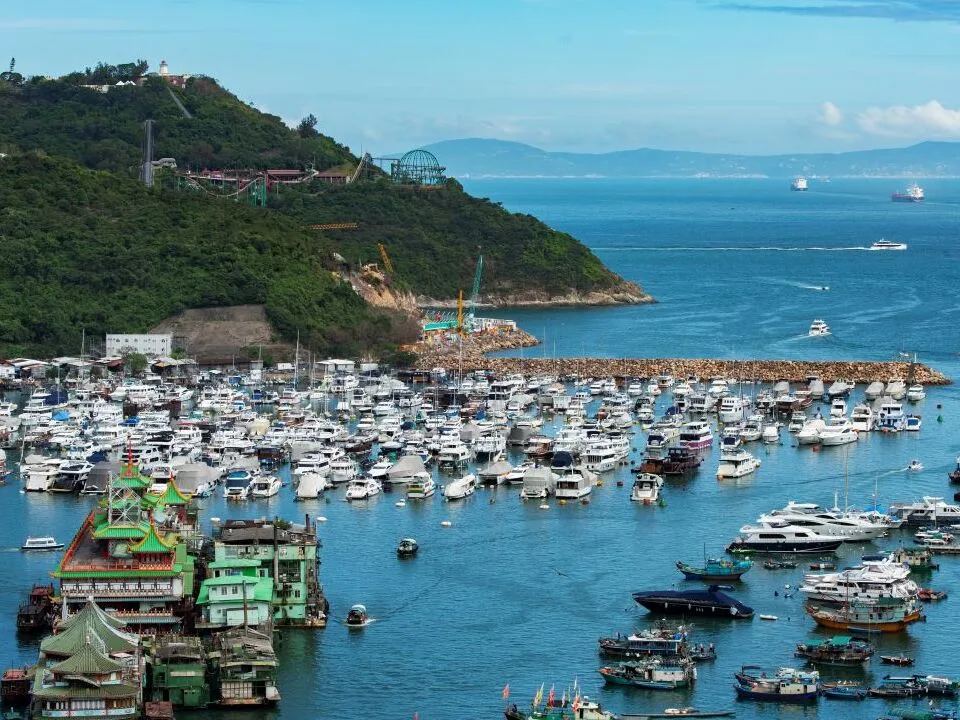
Aberdeen Harbour

Aberdeen Harbour is an icon of the city with classic junk boats, floating seafood restaurants and captivating views. One of the city’s nine natural harbours, this historical harbour has been captured in numerous old photographs depicting the fishing families that lived on traditional Chinese junk houseboats in the mid-1900s.

These days, the harbour is a unique destination that offers a glimpse into Hong Kong’s rich maritime history. It’s also incredibly picturesque, appearing in films such as Jackie Chan’s The Protector and local film Infernal Affairs II.

Many tour companies offer a one-hour harbour boat tour; the extended 90-minute tours include lunch – often on classic, flat-bottomed sampan boats. Visitors can expect to see local landmarks while enjoying breath-taking sea views and hundreds of remaining traditional fishing boats.

Those who want to explore the area further can visit the bustling seafood markets or sample local delicacies at the many harbourfront restaurants.

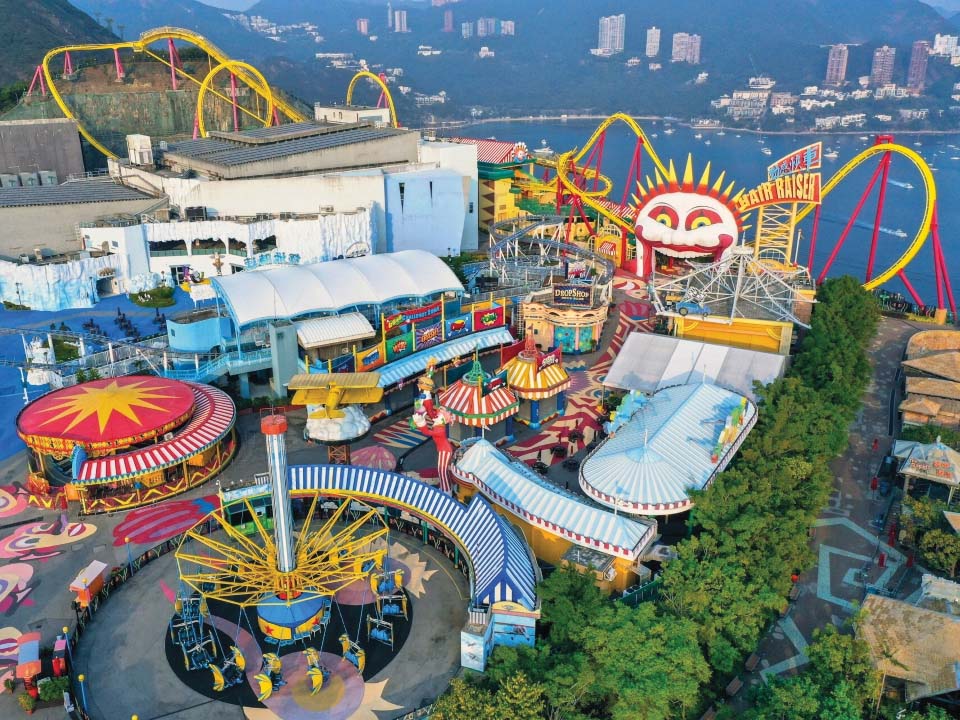
Ocean Park

Ocean Park Hong Kong is an iconic destination for visitors of all ages, offering experiences for thrill seekers, nature enthusiasts or animal lovers. Get a thrill on the theme park rides and see pandas and exotic sea life up close.

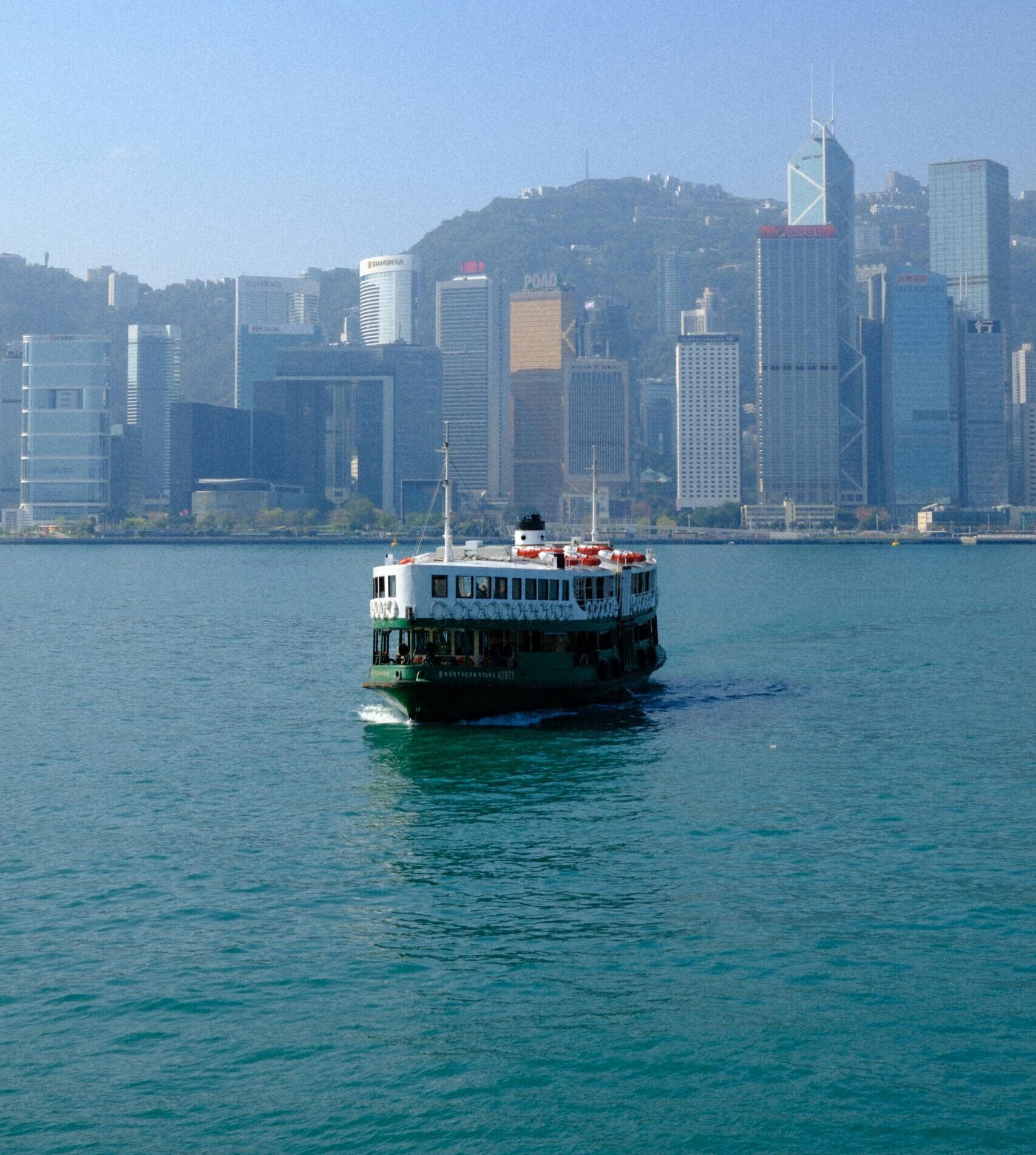
Star Ferry

The Star Ferry is a charming vessel that transports passengers between Hong Kong Island (Central and Wan Chai) and Kowloon (Tsim Sha Tsui). It offers views of both sides of the harbour, and is as much an attraction as it is a mode of transport.

Useful Information

Passport

All foreign visitors to Hong Kong must possess a valid passport.

Visa/Permit for entering Hong Kong

Nationals of about 170 countries and territories may visit Hong Kong visa-free for a period ranging from 7 days to 180 days.

Check the Immigration Department’s webpage to learn whether you need a visa or entry permit to enter Hong Kong for a visit. Alternatively, you can check via CIBT’s webpage.

Language

Chinese and English are the official languages of Hong Kong. All official signs and public transport announcements, as well as most menus, are bilingual. Cantonese is the primary spoken language in Hong Kong.

The official spoken language throughout the conference is English.

Weather

October in Hong Kong features pleasant, cooler, and drier weather as autumn sets in. Temperatures typically range from 23°C (73°F) at night to 28°C (82°F) during the day.
High temperatures can still soar in October, reaching up to 30°C (86°F) on some days. Humidity drops significantly from the summer peak, and while it is generally sunny, the risk of late-season typhoons still exists in October. You can visit the Hong Kong Observatory’s webpage for weather forecast.

Light clothing is suitable in October, but it is advised to bring a light jacket or sweater for air-conditioned venues and cooler evenings.

Time Zone

Hong Kong is in the GMT/UTC +8 time zone.

Electricity

The standard electrical voltage and frequency in Hong Kong is 220 volts AC, 50Hz, and electrical outlets here take a three-square-pronged plug. Bring a 100 volts transformer along with you to ensure a seamless experience.

Local Transportation

Railway

You can get around Hong Kong with the quick and efficient Mass Transit Railway (MTR) system. This covers all major districts in the territory. Octopus cards, contactless  credit cards and various mobile payments are accepted. You will be charged based on the distance travelled.

Buses

There are four major bus service providers in Hong Kong – Kowloon Motor Bus and Citybus provide services around Hong Kong Island, Kowloon and the New Territories;
whereas New Lantao Bus mainly operates on Lantau Island and Long Win Bus covers the area of North Lantau Island and the airport.

Fares are paid upon boarding, based on distance travelled and exact change is required if paying by cash. Octopus cards are accepted on all buses in Hong Kong. Kowloon Motor Bus, Long Win Bus and Citybus accept contactless credit cards and mobile payments, enabling convenient transactions.

Minibuses

Minibuses are small buses that carry up to 19 people. Green minibuses operate along specific routes at fixed prices. Fares are paid upon boarding, based on distance travelled and exact change is required if paying by cash. All green minibuses accept Octopus cards. Red minibuses operate along routes that are not always fixed and passengers can get on and off anywhere along the route, except where special prohibitions apply. Fares are paid as you alight when travelling on a red minibus and the driver can usually provide change for small notes.

The ability to speak a bit of Cantonese and having some familiarity with Hong Kong will be a bonus when travelling on minibuses. Passengers are required by law to wear seat belts when one is available.

Trams

Trams operate on the north corridor of Hong Kong Island through Western District, Wan Chai, Happy Valley, Causeway Bay and North Point. These double-decker streetcars have been travelling through Hong Kong’s busiest thoroughfares since 1904 and continue to be an affordable, inexpensive and fun way to get around.

No matter how far you travel, each tram ride costs the same flat fare and exact change is required if you are paying by cash. All trams accept Octopus cards. You need to get on the tram at the back and then pay the exact fare at the front when you’re getting off.

Taxis

Taxis in Hong Kong are categorised by three colours, each indicating a geographical area. All taxis can travel to and from Hong Kong International Airport as well as Hong
Kong Disneyland.

Type of TaxiService Area
Red taxiThroughout most of Hong Kong, except for Tung Chung Road on Lantau Island and on the entire south side of Lantau Island.
Green taxiOnly the New Territories
Blue taxiOnly the Lantau Island

Taxis are usually easily hailed along the street, although they can’t pick up or drop off passengers in certain restricted zones. It’s often a good choice to opt for either a taxi
queue at a hotel or a taxi stand. Passengers are required to pay the exact fare as recorded by the taximeter. For taxi fares and additional charges, visit the Transport Department website.

There are also fleet taxis in Hong Kong. Fleet taxis can be booked via mobile application or website and accept e-payment. Newer taxis with various options, including wheelchair-accessible taxis, premium taxis and electric taxis are available. If hired for pre-arranged journeys, metered fare plus booking fee or a lump sum fare is charged (to be agreed in advance). If hailed on street, metered fares are charged.

Ferries

As a coastal city, Hong Kong regularly operates ferry routes that connect Hong Kong Island, Kowloon and the Outlying Islands. Fares vary slightly between the upper and lower decks, as well as between weekdays and weekends, and are paid at the barriers when boarding. Passengers can pay by Octopus Card, credit cards, digital payments
like WeChat Pay, coins or use cash to purchase a token from the machines at the pier.

Money and Payments

Currency

The legal tender in Hong Kong is the Hong Kong dollar (HKD), pegged to the US dollar at about 7.80 HKD to 1 USD, though rates may fluctuate. Merchants can refuse HK$500 and HK$1,000 notes, even though they are legal tender. Some merchants also accept alternative methods of payment, including e-payment.

E-Payment

International credit cards such as American Express, VISA and MasterCard, as well as contactless payment such as Octopus card, Apple Pay, Google Pay, Alipay and WeChat Pay are welcome at many hotels, retail shops and restaurants.

Dining Charges

Most restaurants add a 10% service charge. In certain places, waiters may bring unrequested tea, condiments or snacks, which will be added to your bill. Restaurants no longer provide disposable plastic tableware and takeaway containers; licensed hotels may offer these upon request for a fee.

Sales Tax

All goods, except alcohol and tobacco, are tax-free. Retailers must charge at least HK$1 for each plastic shopping bag provided. Bring your own bag to avoid the levy.

Dress Code

The dress code for the School, dinners and social events is Business Casual.

Emergencies

Emergency services (Police, Fire, Ambulance): 999

Police hotline: +852 2527 7177

If you lose your passport, make a ‘lost report’ at the nearest police station. Then contact the consulate of your country to have your passport replaced.

Insurance

Medical charges for visitors are generally higher than for local residents. All delegates coming to the Hong Kong School are required to have valid travel insurance before to Hong Kong.

If you plan to engage in outdoor activities outside of the School program, like hiking, cycling or water sports, ensure they are covered by your policy.

Smoking Policy

Smoking is prohibited in buildings, dining establishments, public transport and some indoor and outdoor areas, including public beaches, swimming pools and escalators.
Any person smoking or carrying a lighted cigarette, cigar, or pipe in a designated no-smoking area will be liable to a fixed penalty of $3,000.

Additionally, importing, promoting, manufacturing, selling or possessing alternative smoking products, such as electronic devices, heated tobacco products and herbal
cigarettes, is prohibited.

Navigation

School main page

Read More

Meet The Faculty

Read More

Support

Read More

Registration

Read More