

The Faculty

Meet the Options XIII Mini-School Faculty

open arrow

Rebecca Cox

Rebecca Cox

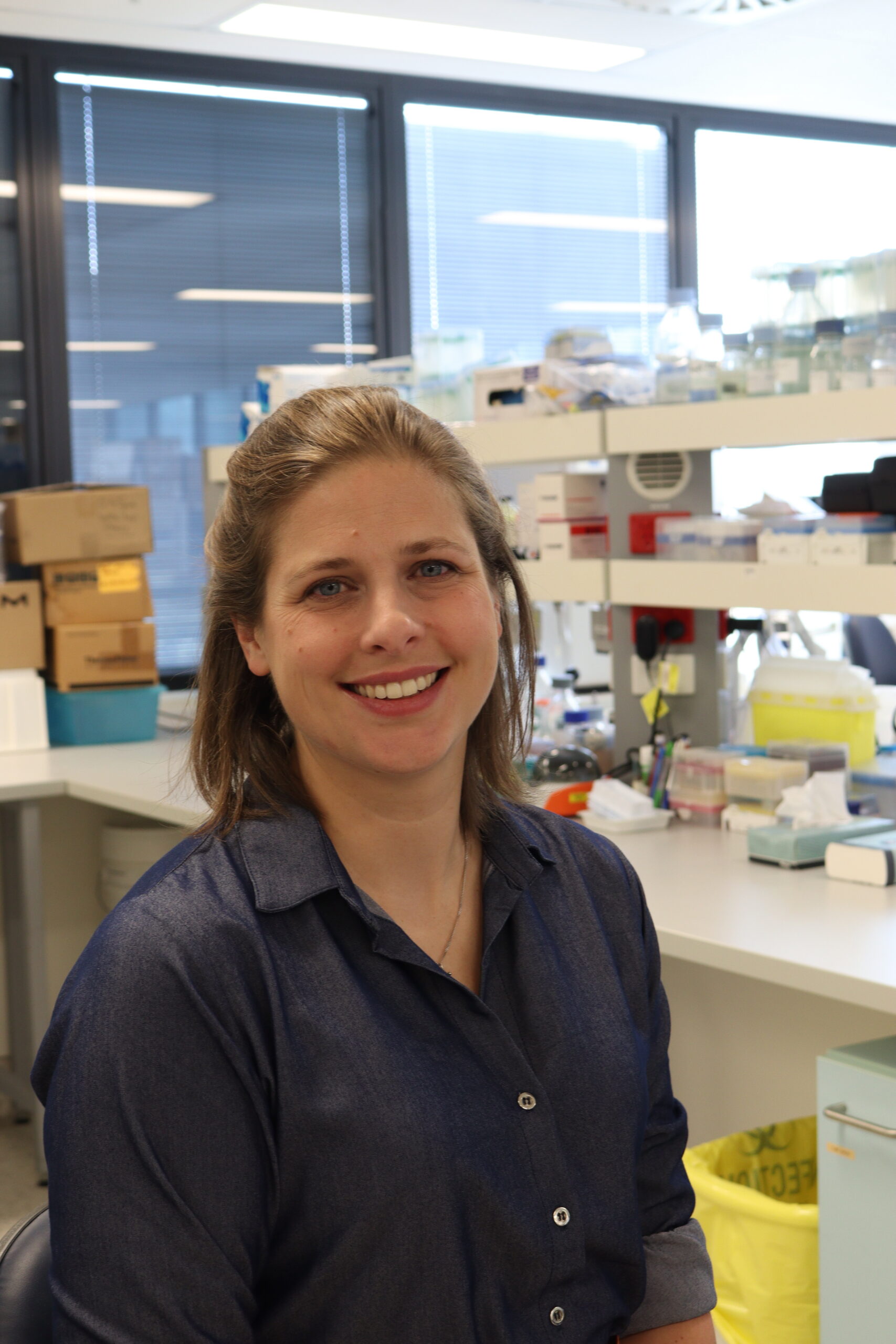
Rebecca Jane Cox is a Professor of Medical Virology and Head of the Influenza Centre at the University of Bergen and Haukeland University Hospital in Norway, where she leads a team of 18 scientists. She completed her PhD in 1995 at the London Hospital Medical College, University of London, UK, followed by postdoctoral positions at Guy’s Hospital, UK, and the University of Bergen. With over 30 years of experience, Rebecca has played a leading role in international collaborative research on influenza and emerging pathogens. Her work focuses on vaccine development and evaluation, translational immunology, correlates of protection, and pandemic preparedness, with particular emphasis on human clinical trials and cohort studies. She holds advisory roles with major international health organizations, including the WHO, EU, and the European Medicines Agency. Rebecca is also a trustee of the ISRV and serves as Chair of its Education Committee, where she is passionate about training the next generation of scientists. She is also a Senior Editor for the journal Influenza and Other Respiratory Viruses, has authored more than 180 peer-reviewed publications, and regularly contributes to public discussions on respiratory viruses and vaccines through various media platforms.

open arrow

Janet Englund

Janet Englund

Janet Englund, MD, Professor of Pediatrics at University of Washington/Seattle Children’s Hospital, studies the diagnosis, prevention, and treatment of respiratory viruses.  She has studied new vaccines and prevention measures against respiratory diseases in children, pregnant persons, and immunocompromised patients, as well as antivirals for influenza and respiratory syncytial virus (RSV). She has worked collaboratively on large surveillance studies assessing community spread of respiratory viruses in households and vaccine effectiveness.  Her research group has studied prevention of RSV disease in infants using passive monoclonal antibody and maternal immunization.  She is part of the New Vaccine Surveillance Network of the US CDC which assesses the effectiveness of vaccines and monoclonal antibodies in children.

open arrow

Erik Karlsson

Erik Karlsson

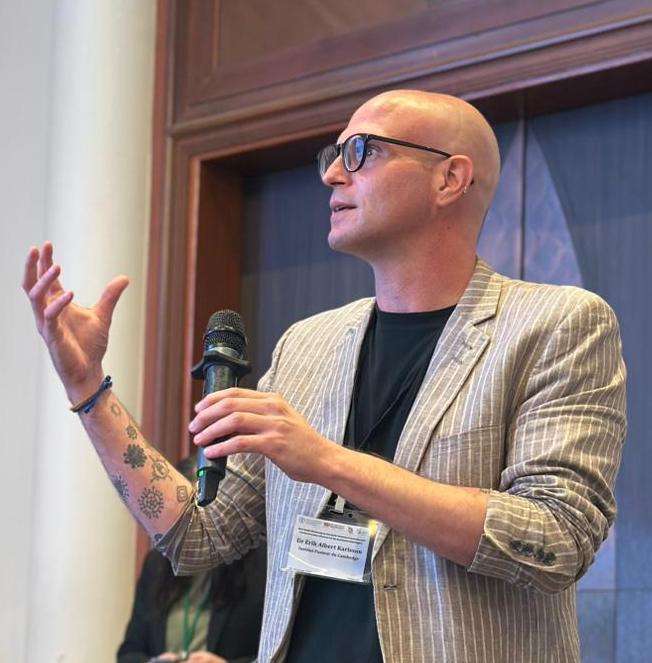
Dr. Erik A. Karlsson is Head of the Virology Unit at the Institut Pasteur du Cambodge (IPC) in Phnom Penh and Director of the Cambodian National Influenza Center and a WHO H5 Reference Laboratory and CoViNet Laboratory. His work focuses on influenza and other emerging viruses circulating where humans, animals, and environments collide: the messy, complicated places where the next outbreak often begins. Dr. Karlsson leads multidisciplinary surveillance programs that combine clinical sampling, animal investigations, environmental monitoring, and genomic sequencing to understand how viruses evolve and move across species. Much of his work takes place at high-risk interfaces such as farms, wildlife habitats, and live animal markets across Southeast Asia. Working closely with national ministries and international partners, his team helps strengthen early detection systems for pathogens with pandemic potential. He also serves as Vice-Chair of OFFLU and collaborates with global partners including the World Health Organization (WHO) and the Food and Agriculture Organization (FAO) to advance influenza research and One Health pandemic preparedness.

open arrow

Emily Martin

Emily Martin

Emily Toth Martin is Associate Professor of Epidemiology, with tenure, at the School of Public Health, focuses on infectious diseases and respiratory viruses – including influenza, SARS-CoV-2, and RSV – and strategies to prevent and treat infection. Her research includes studies of vaccine effectiveness and virus transmission in community, hospital, and ambulatory settings. Dr Martin’s research is funded by Centers for Disease Control and Prevention, the National Institutes of Health, and philanthropic organizations. Dr Martin’s scientific contributions include studies to improve observational designs for measurement of vaccine effectiveness, and immunologic studies of correlates of protection. Her work includes studies of the epidemiology and transmission of respiratory viruses with associated vaccines (influenza and SARS-CoV-2) and those viruses for which vaccines may be forthcoming (RSV). Her work on transmission includes community-based, active surveillance studies that evaluate patterns of viral transmission in households and within childcare, including a case-ascertained study of close-contact transmission. Laboratory detection of viruses and immune correlates is key to this line of research, and Dr Martin oversees a large field team and associated laboratory to support this effort. Dr Martin is a core investigator for the CDC’s US Influenza Vaccine Effectiveness Network, the CDC’s IVY network for hospital vaccine effectiveness, and the NIAID Centers of Excellence for Influenza Research and Response. Dr Martin has a PhD and MPH in Epidemiology from the University of Washington School of Public Health and a BS in Microbiology from the University of Michigan. She completed her post-doctoral fellowship at the Seattle Children’s Research Institute, followed by tenure track faculty positions at Wayne State University and the University of Michigan. She is a former health policy fellow with the UM Center for Health and Research Transformation and an alumnus of the ADVAC Advanced Course in Vaccinology.

open arrow

Kanta Subbarao

Kanta Subbarao

Professor Kanta Subbarao is a virologist and paediatric infectious disease physician. She has worked on molecular virology and vaccine development for emerging viruses that pose a potential pandemic threat, including influenza viruses, SARS, MERS and SARS-CoV-2 coronaviruses. She holds a Canada Excellence Research Chair on Biology and Control of Zoonotic and Pandemic Respiratory Viruses at Laval University in Quebec and is a professor in the Department of Microbiology and Immunology, The University of Melbourne. She received the 2024 Lifetime Achievement award from the International Society for Respiratory Viruses and the 2025 Edward Jenner Award. She is a Fellow of the Australian Academy of Health and Medical Sciences, American Academy of Microbiology and the Infectious Diseases Society of America.

open arrow

Maria Zambon

Maria Zambon

Professor Maria Zambon is the current Head of Respiratory Viruses and Director of the National Influenza Centre at the UK Health Security Agency’s (UKHSA) National Reference Laboratory in Colindale, London, UK. With 40 years of experience as a medically qualified influenza virologist – of which three decades have been spent at UKHSA and its predecessor organisations – she has played a crucial role in the surveillance and response to seasonal influenza as well as new and emerging respiratory viruses, both nationally and internationally.

She has been a member of several scientific working groups and advisory committees for UK Government including SAGE (Scientific Advisory Group for Emergencies), NERVTAG (New and Emerging Respiratory Virus Threats Advisory Group), and JCVI (Joint Committee on Vaccination and Immunisation) over many years. Internationally, she is a close collaborator with the World Health Organisation (WHO), representing the UK at global meetings on respiratory virology and providing input into their global influenza surveillance system GISRS.

Her main research interests include the diagnosis of viral infections in humans, especially RNA viruses, the pathogenicity of influenza, and the development of new vaccines for respiratory viruses, particularly influenza. Her PhD on the mechanism of action of amantadine led directly to the identification of a novel class of viral proteins and viral ion channels (influenza M2 protein).

open arrow

Carolien van de Sandt

Carolien van de Sandt

Dr Carolien van de Sandt is a Team Leader at the Murdoch Children’s Research Institute (MCRI) and an Honorary Senior Research Fellow at the University of Melbourne (UoM). Carolien obtained her PhD at the Erasmus University in the Netherlands in 2016, where she investigated the longevity, cross-reactivity and immune evasion strategies of influenza-specific CD8+ T cells. Her current research focuses on understanding how virus-specific immunity is generated, maintained and lost across the human lifespan and high-risk populations. Her research spans immunity to a range of viruses including influenza, SARS-CoV-2, CMV and measles. She aims to leverage this knowledge to restore immunity in at-risk populations and optimize vaccine and treatment strategies. Carolien is co-chair of the ISRV Education committee and has a great passion for ECR engagement and public outreach.

open arrow

Cameron Wolfe

Cameron Wolfe

Cameron Wolfe is a Professor of Medicine in the Infectious Disease division at Duke University, North Carolina.  Cameron’s clinical interests lie with the care of immunosuppressed patients, such as those undergoing chemotherapy, or transplant.  His research interests include trying to better understand and mitigate infection risk, especially emerging pandemic and seasonal respiratory viruses, through vaccines and antivirals.

open arrow

Jon Yewdell

Jon Yewdell

Jon Yewdell connects the dots between basic immunology, virology and cell biology.  Armed with a biochemistry AB from Princeton, as a MD/Ph student with Walter Gerhard (U Penn), he pioneered the use of anti-viral monoclonal antibodies and with Jack Bennink, showed that CD8 T cells recognize internal viral proteins.  His early work as an independent PI at Wistar Institute (1983-87) provided critical insight into the assembly, trafficking and function of influenza HA, leading to the discovery of bidirectional transport in the secretory pathway.  After moving to NIH in 1987, the his laboratory pioneered studies on CD8+ T cell immunodominance and generation of MHC class I peptides ligands, proposing and providing evidence supporting the DRiP hypothesis of peptide generation.  Along the way, the laboratory discovered, rediscovered or helped discover: viral interference with antigen processing, the low efficiency of protein synthesis, tRNA based-stress induced changes in the genetic code, peptide splicing, protein translation and degradation in the nucleus, novel accessory flu virus proteins (PB1-F2 and many UFO proteins), flu negative strand translation, the ER as the site of peptide binding to MHC I, the contribution of ERAD to antigen processing, the participation of ubiquitin in virus budding how anti-viral T cells are activated in lymph nodes and exert their anti-viral functions in infected tissue, sympathetic nervous system control of anti-flu T cell responses and innate anti-flu immunity, and mechanisms contributing to anti-viral antibody immunodominance.